Why Perfection in Project Delivery Demands Dynamic Refinement
The Night a $1.2 Million Deliverable Failed the "Taste Test
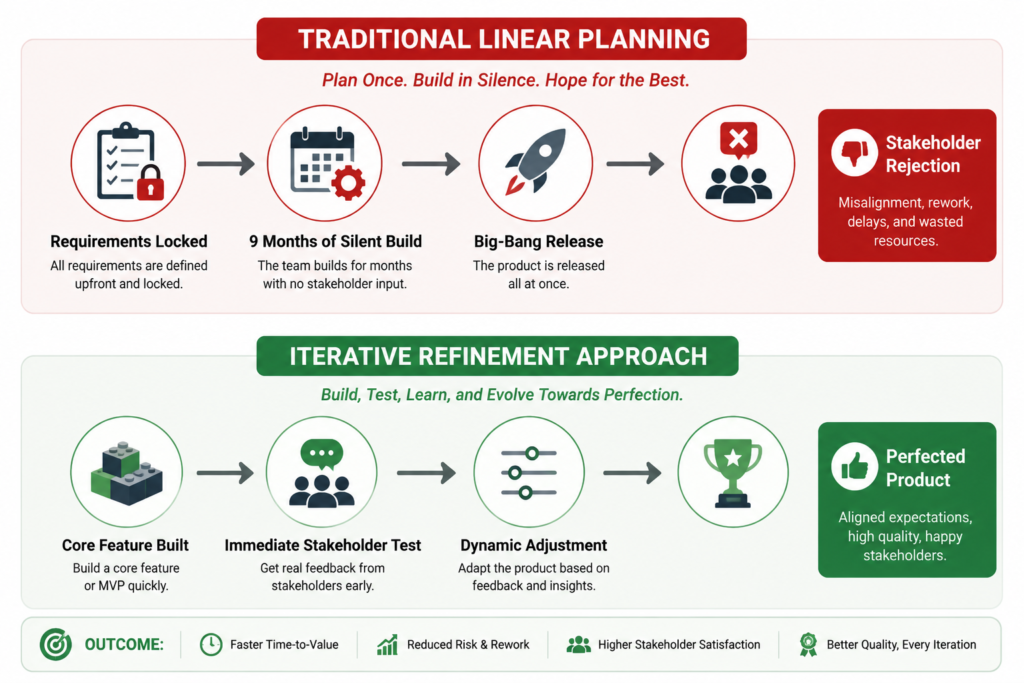
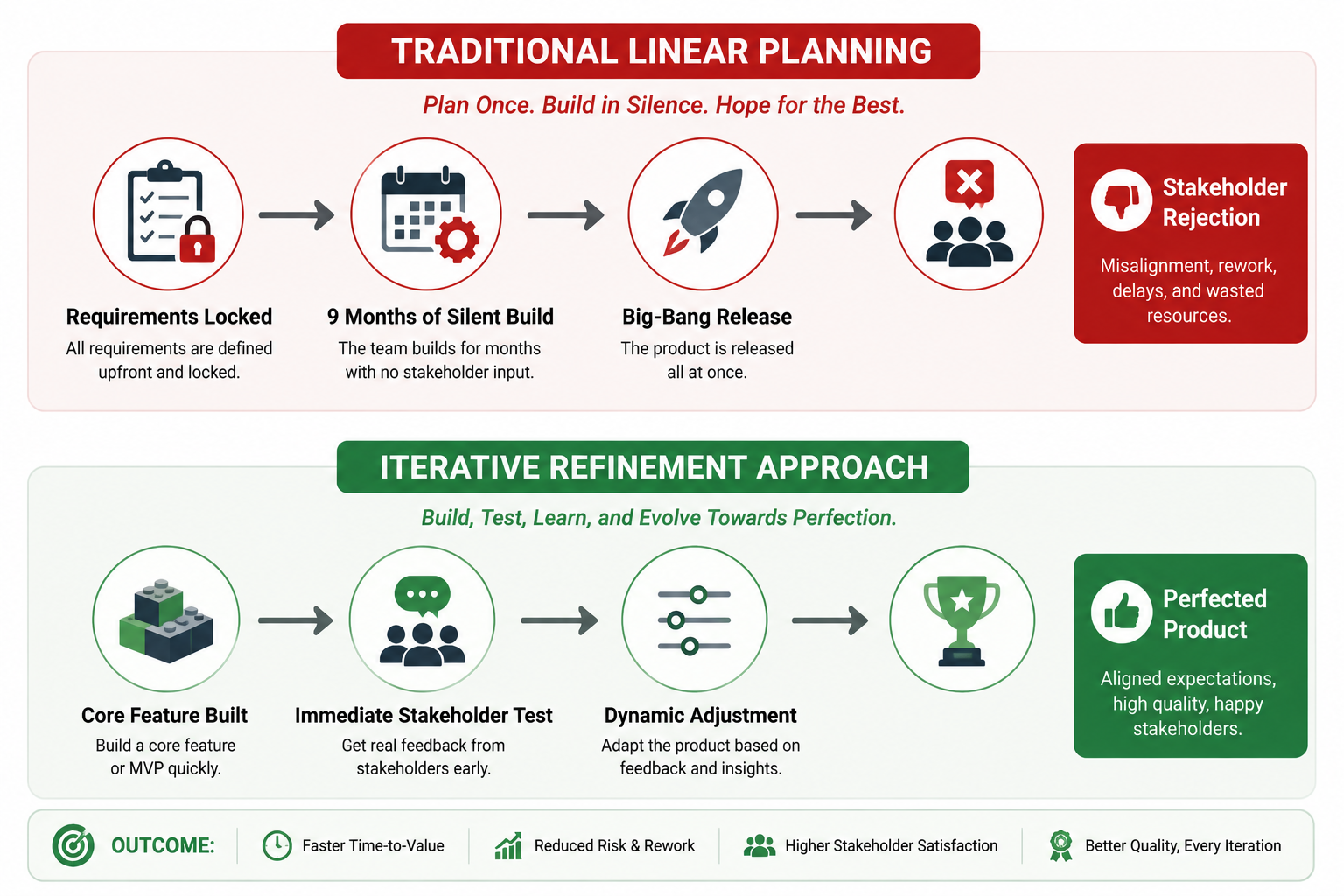
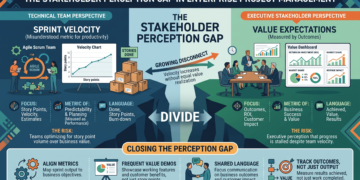
After nine months of rigid, linear execution, the delivery team has finally unveiled the fully built, feature-complete enterprise dashboard to executive stakeholders. On paper, every single requirements metric was fulfilled. The scope document had a green checkmark next to every item. The project was delivered on schedule and precisely on budget.
Then, the Chief Commercial Officer clicked through the live environment.
Within three minutes, the verdict was delivered: “This is completely unusable for our frontline sales reps.”
The workflow was bloated, the data visualizer required seven steps to render basic metrics, and the underlying logic failed to account for real-world user behavior. Nine months of meticulous engineering yielded a product that was technically compliant but commercially dead on arrival.
How does a project team spend millions of dollars and thousands of hours following a project plan to the letter, only to fail completely?
They fell victim to the pervasive corporate myth: that quality is a guaranteed byproduct of upfront planning and sequential execution.
In reality, upfront planning assumes complete knowledge at the point of least clarity. Real quality is not engineered by following a static plan: it is discovered through intentional, continuous dynamic refinement.
What is Iteration? (And Why Most Executives Get It Wrong)
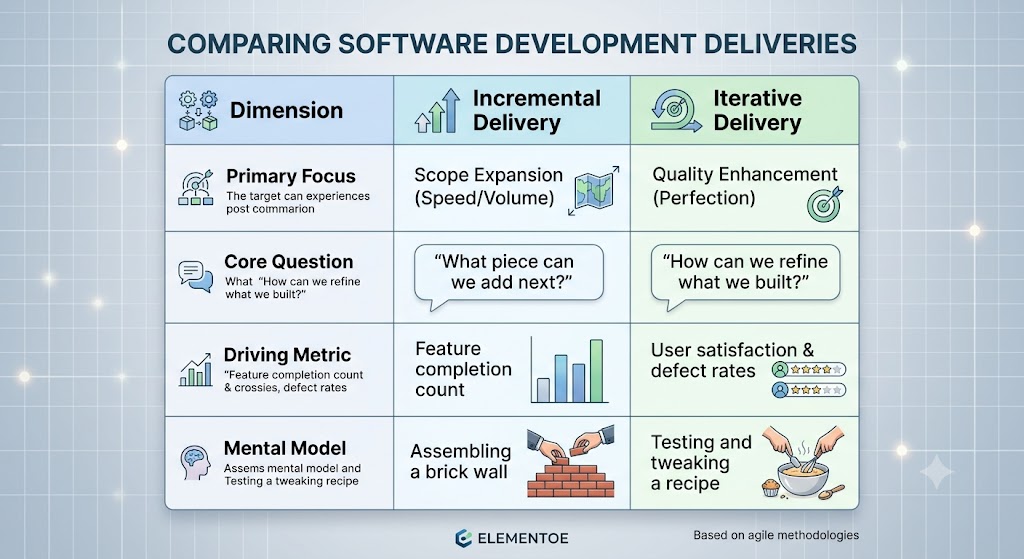
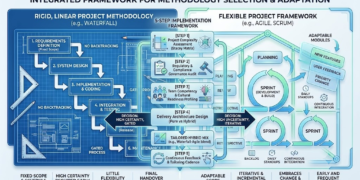
In project management leadership, confusing incremental delivery with iterative delivery is one of the most common strategic mistakes. While the two concepts often operate in tandem within modern Agile frameworks, their core objectives are fundamentally distinct.
Incremental Delivery is about quantity and scope. It focuses on building a product piece-by-piece, adding new functional components in sequential chunks until the total scope is realized.
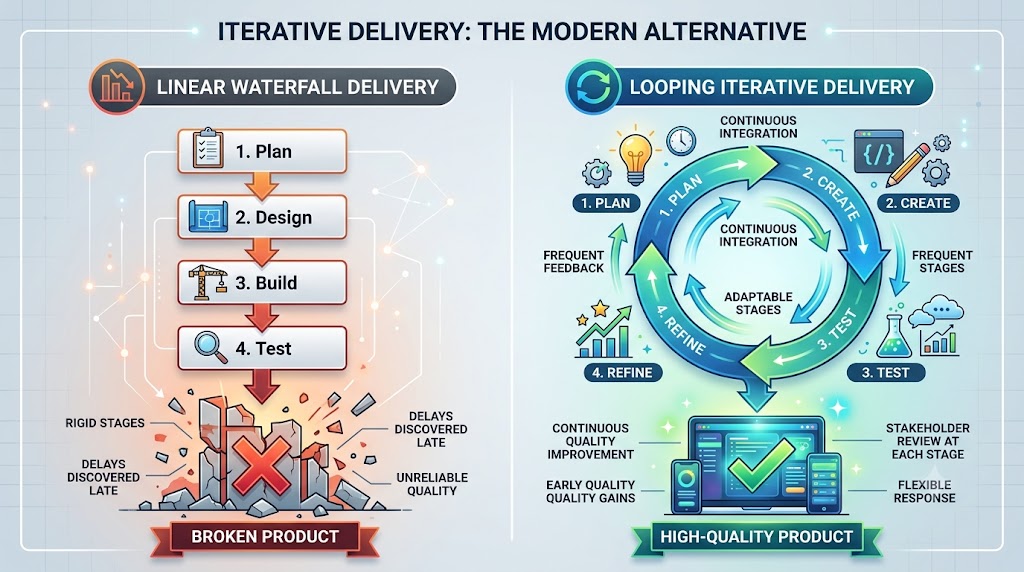
Iterative Delivery is about quality and refinement. It focuses on building, evaluating, and dynamically adjusting an outcome, cycling through deliberate feedback loops to elevate quality and fit-for-purpose utility.
The Culinary Analogy: Dynamic Recipe Testing
To truly grasp the purpose of iteration, imagine high-end culinary creation.
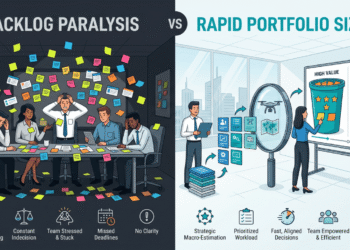
If a master chef were to bake an enterprise-scale multi-tiered wedding cake using a purely incremental approach, they would bake the bottom layer on Monday, the middle layer on Tuesday, apply the frosting on Wednesday, and serve it on Thursday. If the base flour-to-sugar ratio was off, the entire cake is ruined at the moment of consumption.
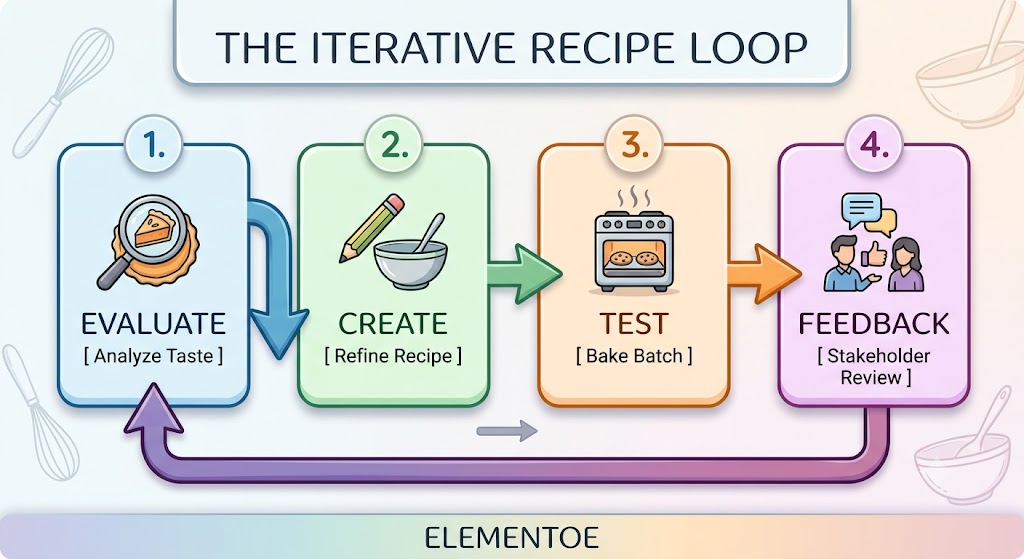
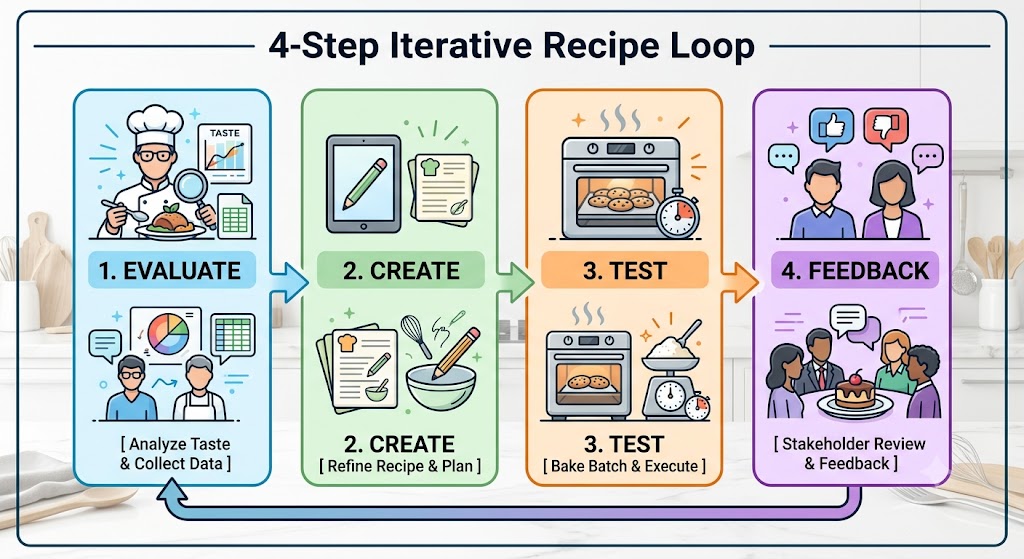
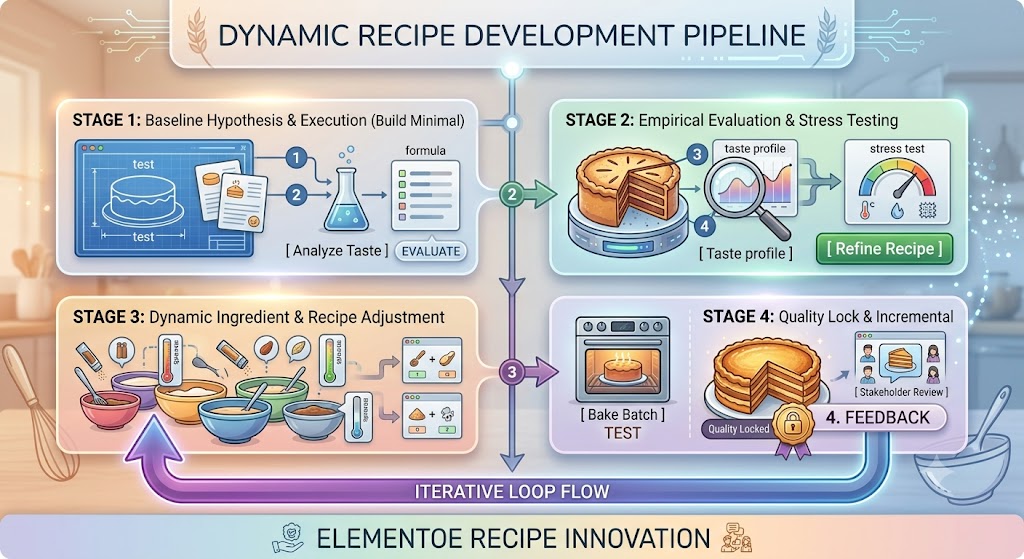
An iterative approach mimics continuous recipe testing. The chef bakes a small test sample, evaluates its taste and texture, adjusts the spices, changes the oven temperature, and bakes another batch. The foundational ingredients are dynamically refined based on immediate feedback until the flavor profile achieves absolute perfection.
In corporate enterprise delivery, we iterate to validate quality, manage risk, and align the final output with true user value.
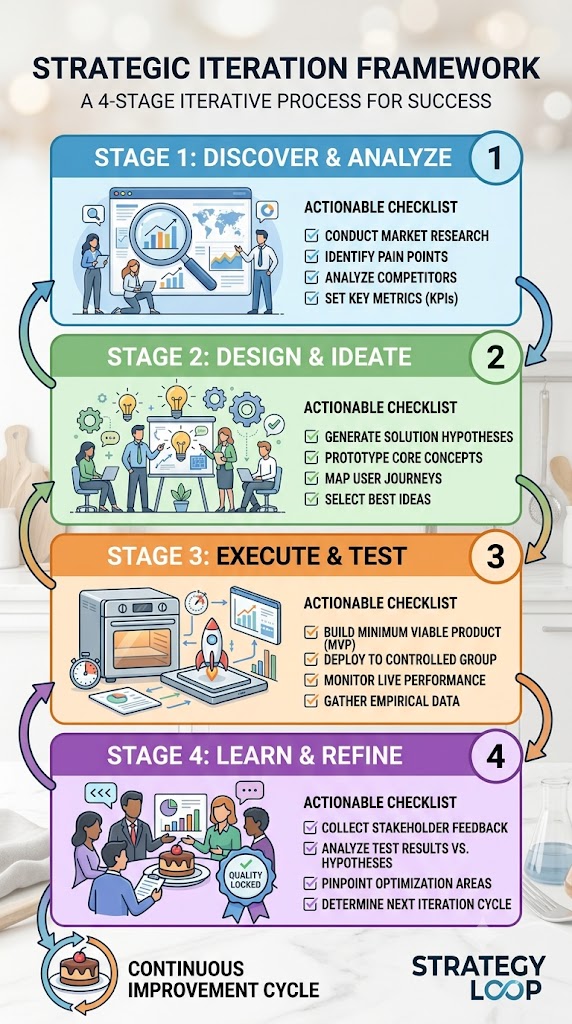
Stage 1: Baseline Hypothesis & Execution
Rather than trying to engineer a finished product on the first pass, construct a minimal, testable output that captures the core functionality.
Define the explicit acceptance criteria for “Quality” before work begins.
Limit development time to short, time-boxed cycles (e.g., a 2-week Sprint cycle).
Avoid over-engineering ancillary features during the initial pass.
.
Stage 2: Empirical Evaluation & Stress Testing
Once the testable version is ready, subject it to direct empirical testing with real end-users and business stakeholders.
Measure performance against key behavioral indicators (usability metrics, processing speed, user drop-off rates).
Gather direct qualitative feedback from real-world workflows, not isolated test scripts.
Document discrepancies between anticipated user behavior and actual performance.
Stage 3: Dynamic Ingredient & Recipe Adjustment
Analyze the feedback gathered in Stage 2 to isolate what needs refinement. This is where dynamic recipe adjustment occurs.
Identify root-cause issues (e.g., database query inefficiencies, unintuitive UI flows, missing compliance logic).
Adjust the “recipe” by refactoring code, streamlining workflows, or re-prioritizing backlog items.
Re-test the adjusted output immediately to verify improvement.
Stage 4: Quality Lock & Incremental Integration
Once the refined deliverable passes quality thresholds, lock the baseline and prepare it for incremental integration into the broader enterprise platform.
Formally sign off on functional acceptance criteria.
Package the validated component into the broader release candidate.
Carry technical learnings forward into the next iterative sprint.
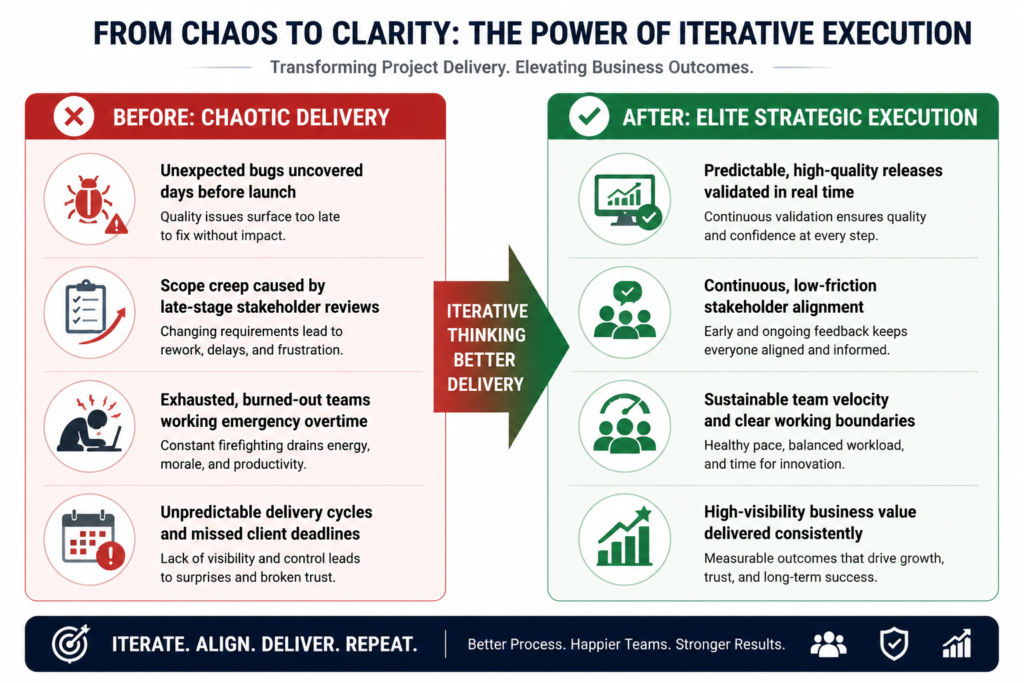
From Project Chaos to Executive Distinction
When project managers embrace iteration as a mechanism for quality enhancement, their day-to-day work environment undergoes a radical transformation.
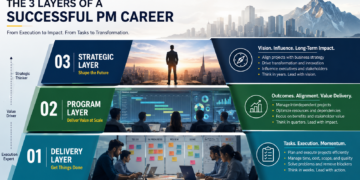
Beyond improving team output, mastering iterative delivery fundamentally changes your career trajectory.
Executively minded project leaders do not measure success by whether a team checked off tasks from a static Gantt chart created a year ago. They measure success by business outcomes, risk mitigation, and product excellence.
When you demonstrate the ability to lead high-performing teams through structured, iterative delivery, you shift from being viewed as an administrative task-tracker to a strategic growth engine within your organization. You become the leader trusted with complex, high-risk enterprise transformations.
Elevate Your Project Management Mastery with Skillsetify
Navigating enterprise project environments, high-stakes stakeholder expectations, and modern delivery frameworks requires more than basic certifications. It requires practical execution strategies designed for real-world business complexity.
If you are ready to stop guessing, move up the corporate ladder, and learn project management the right way, reach out to Skillsetify. We do not just teach frameworks: we show you your exact career growth trajectory.
Transform Your Delivery Capability Today
Master Modern Execution: Gain hands-on expertise in hybrid, Agile, and predictive governance.
Accelerate Your Leadership: Learn to manage high-stakes enterprise projects and complex executive stakeholders.
Build Your Custom Career Path: Partner with experienced leaders to map out your high-growth trajectory in project leadership.