Drawing the Strategic Boundaries of Agile Autonomy
Your mid-sprint demonstration to enterprise stakeholders is less than fifteen minutes away. Suddenly, a notification flashes across the primary developer’s screen. The engineering directory has been completely restructured, pushing three major pull requests directly into merge conflict hell.
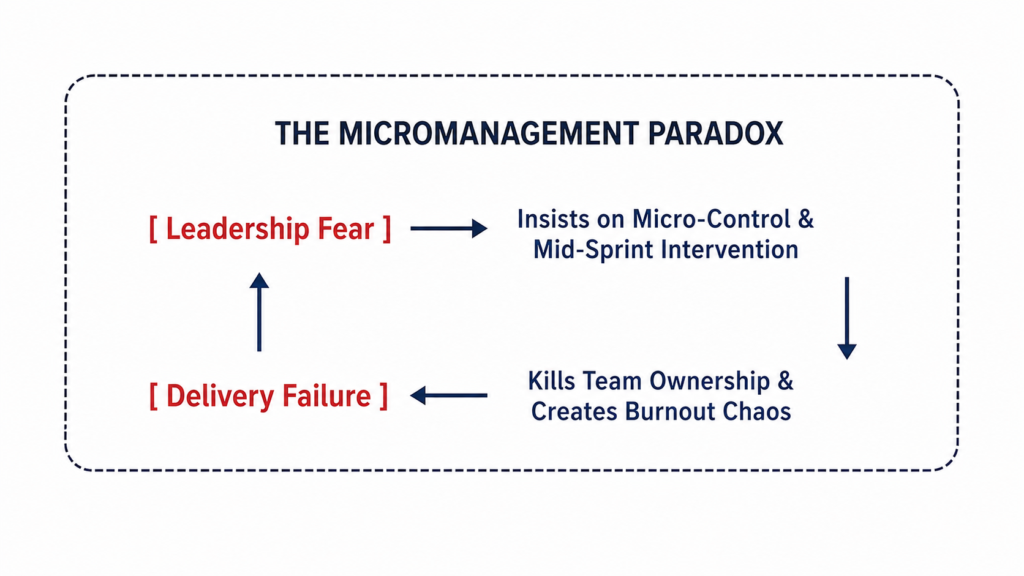
Why? Because an overzealous Engineering Manager—anxious about meeting an arbitrary deadline—decided to jump into the code repository mid-sprint to “optimize project structure” without informing the team.
The sprint goal is compromised. The demo is dead on arrival. The developers are silently polishing their resumes.
This incident illustrates the silent killer of modern software organizations: the illusion of Agile autonomy.
Many enterprise organizations boast about their “agile transformation” while continuing to enforce top-down micromanagement. Executives mistakenly believe that Agile means leaders simply monitor task status at a granular level daily.
This misunderstanding is destructive. True agility requires a fundamental re-engineering of authority. Leadership must eliminate direct task management, establish transparent operational guardrails, and grant teams total, uncompromised ownership over their sprint backlogs.
The Core Mechanics of Autonomy and Empowerment Boundaries
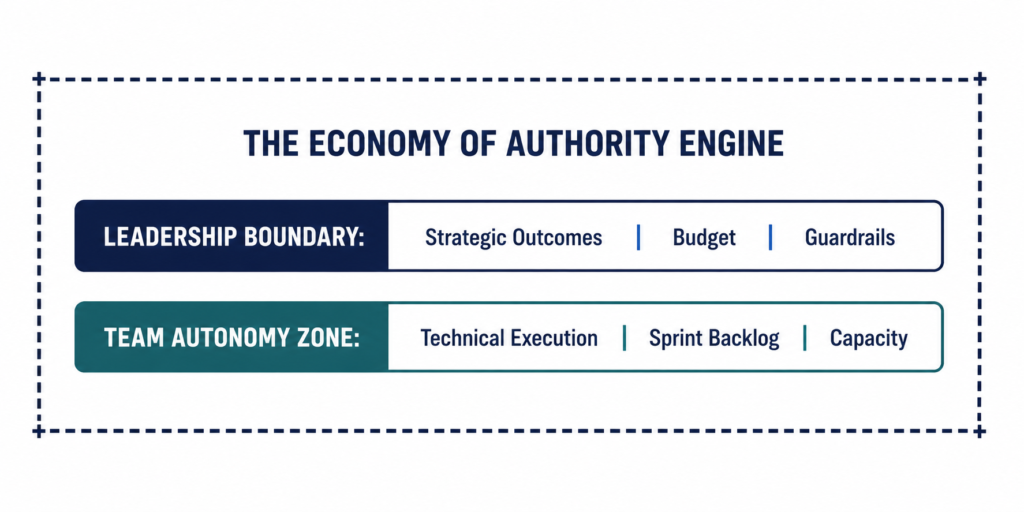
To build a high-performing Agile engine, organizations must move beyond generic management buzzwords. True empowerment is not a permission slip to do whatever one pleases; it is a structured transfer of operational authority bound by clear strategic parameters.
Autonomy and boundaries operate in tandem. Without defined boundaries, autonomy becomes operational chaos. Without real autonomy, boundaries become a corporate prison.
Defining the Divide: Strategic Intent vs. Tactical Execution
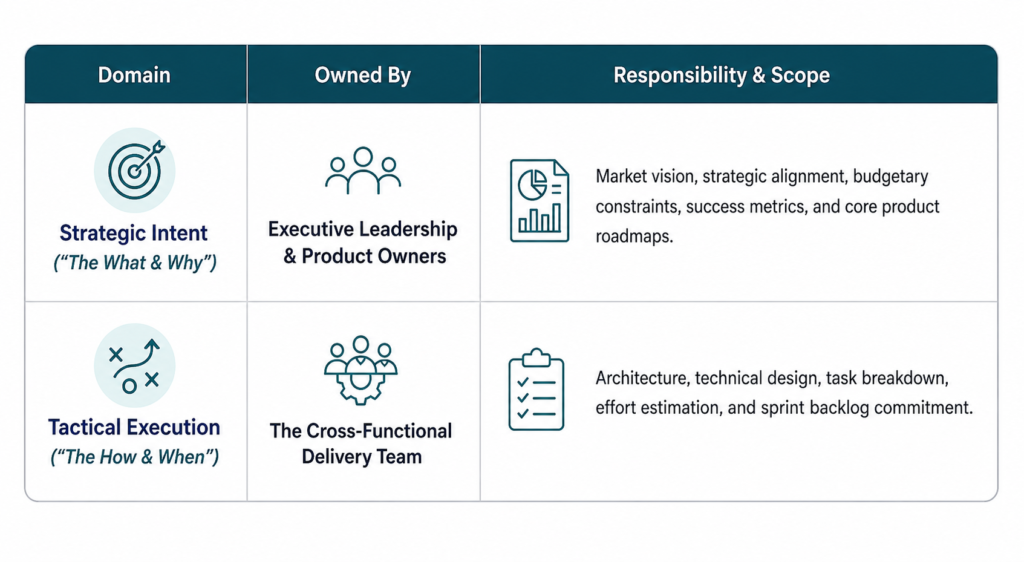
High-functioning organizations maintain a clear division between what leadership manages and what the team owns.
When leaders cross this line to dictate how a team should solve a problem or who should take a specific task, they break team accountability. The moment leadership dictates tactical execution, the team stops owning the outcome.
Step-by-Step Implementation Framework for Project Managers
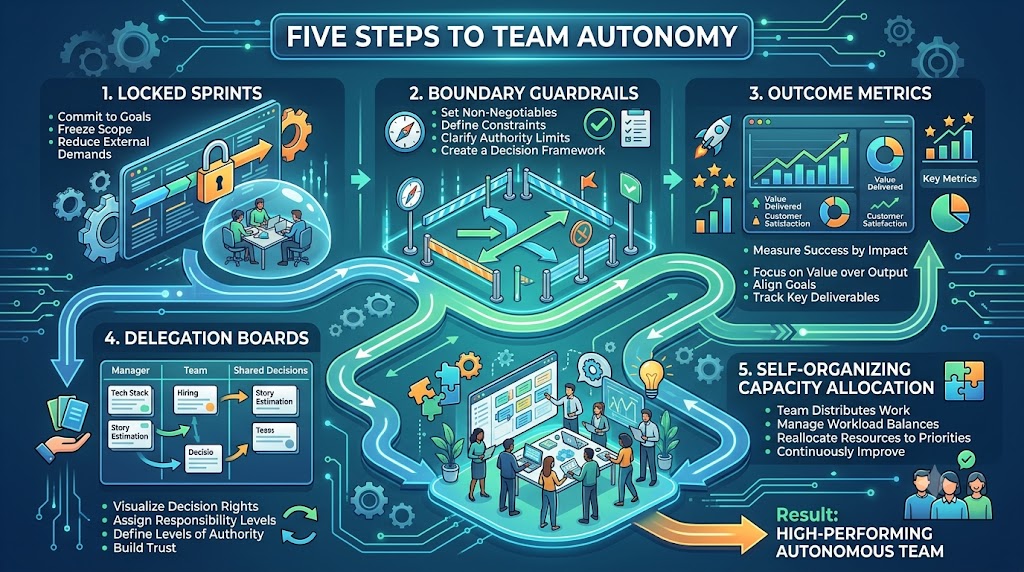
Transforming a micromanaged team into an empowered engine requires structural changes. Project Managers and Scrum Masters can implement this five-step framework to establish real operational boundaries:
Step 1: Establish the "No-Intervention" Sprint Agreement
Establish a non-negotiable rule across the organization: once a sprint begins and the team commits to a sprint goal, the backlog is locked.
The Rule: No executive, manager, or product owner can add, remove, or modify user stories within an active sprint without the team’s explicit consent.
The Exception Protocol: If a true enterprise emergency occurs, the Product Owner must pull an equivalent amount of story points out of the sprint, or cancel the sprint entirely to re-plan. Mid-sprint additions without trade-offs are strictly prohibited.
Step 2: Implement "Guardrail Contracts"
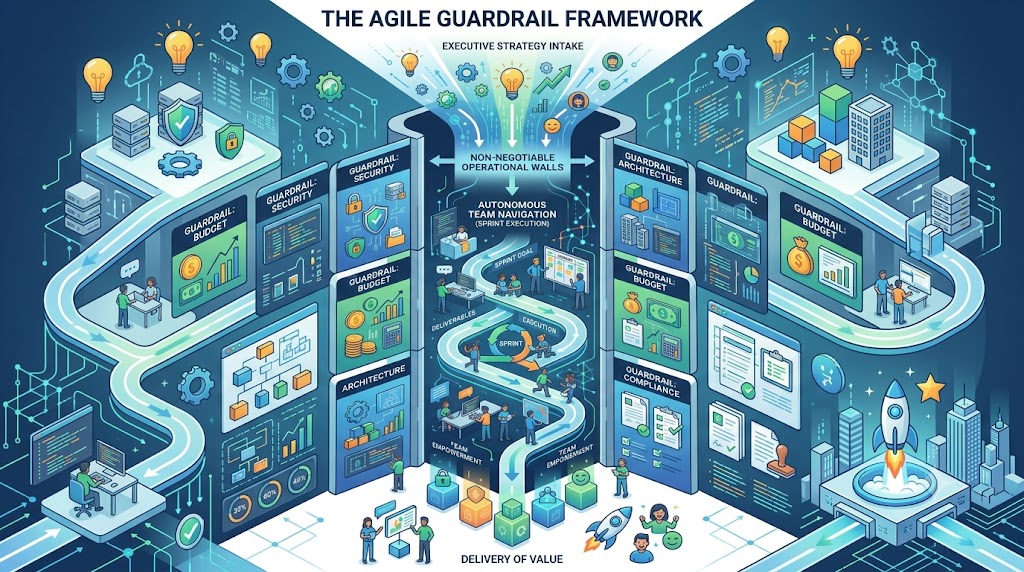
Guardrails provide the safety framework that allows leadership to step back confidently. Rather than approving daily tasks, leadership sets non-negotiable operational boundaries, such as:
Architecture Guardrails: All code must pass automated CI/CD pipelines with 85% unit test coverage.
Budgetary Guardrails: Cloud infrastructure changes exceeding $500/month require architectural board approval.
Compliance Guardrails: Data structures must adhere strictly to regional data privacy regulations.
As long as the delivery team operates within these explicit boundaries, they hold complete operational authority.
Step 3: Shift from Task Tracking to Outcome Metrics
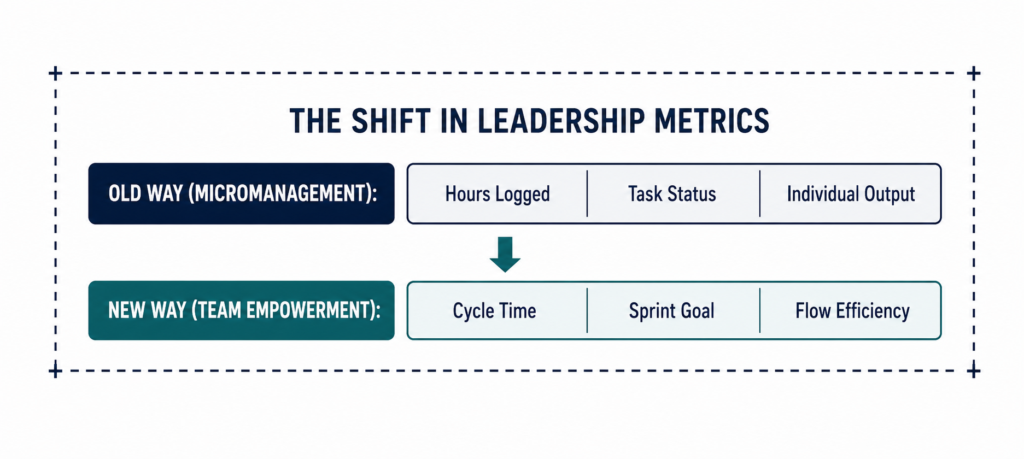
Micromanagers monitor hours worked, daily task completions, and status updates. High-performance leaders focus on value delivery metrics:
Sprint Health: Focus on Sprint Goal Completion Rate rather than raw ticket velocity.
Cycle Time: Measure how fast an item moves from “In Progress” to “Production”.
Flow Efficiency: Identify structural wait times and external dependencies rather than policing individual worker output.
Step 4: Institute Delegated Decision Mapping
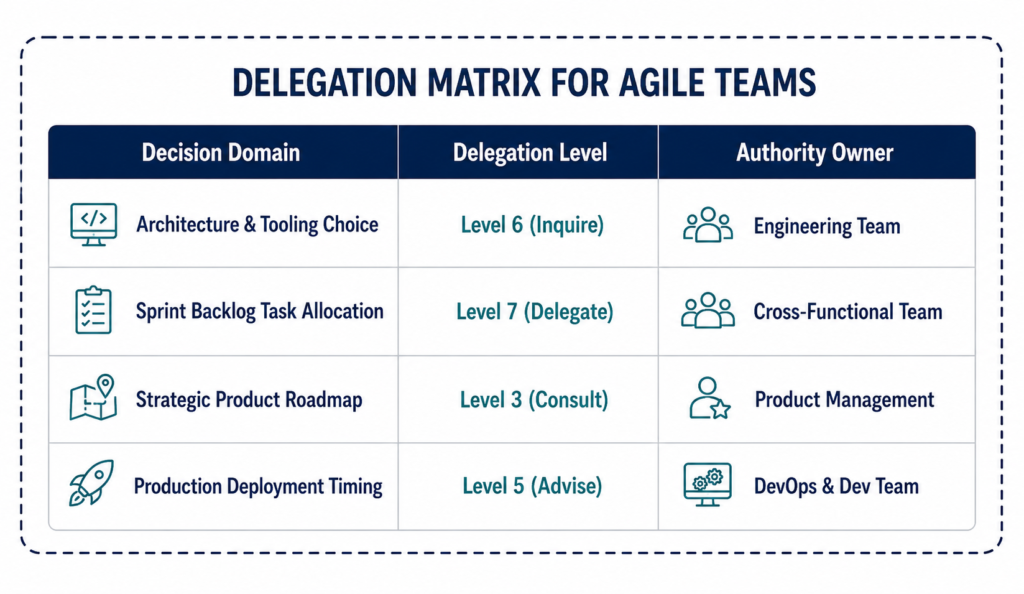
Use a formal framework like Delegation Boards (from Management 3.0) to explicitly detail who makes which decisions. Map key operational decisions across seven levels of delegation:
Tell: Manager decides alone.
Sell: Manager decides but explains to the team.
Consult: Manager seeks input, then decides.
Agree: Manager and team decide together.
Advise: Team seeks input, then decides.
Inquire: Team decides, then informs the manager.
Delegate: Team decides fully autonomously.
Clear delegation mapping removes ambiguity around decision-making power.
Step 5: Protect the Team's Self-Organization Dynamics
Agile delivery teams must be treated as single, self-organizing units.
Stop assigning work to specific individual developers during sprint planning.
Allow the cross-functional team to pull work based on collective capacity.
Direct all progress inquiries away from individual developers and onto public, transparent information radiators (such as Kanban boards).
From Firefighting Chaos to Predictable Delivery
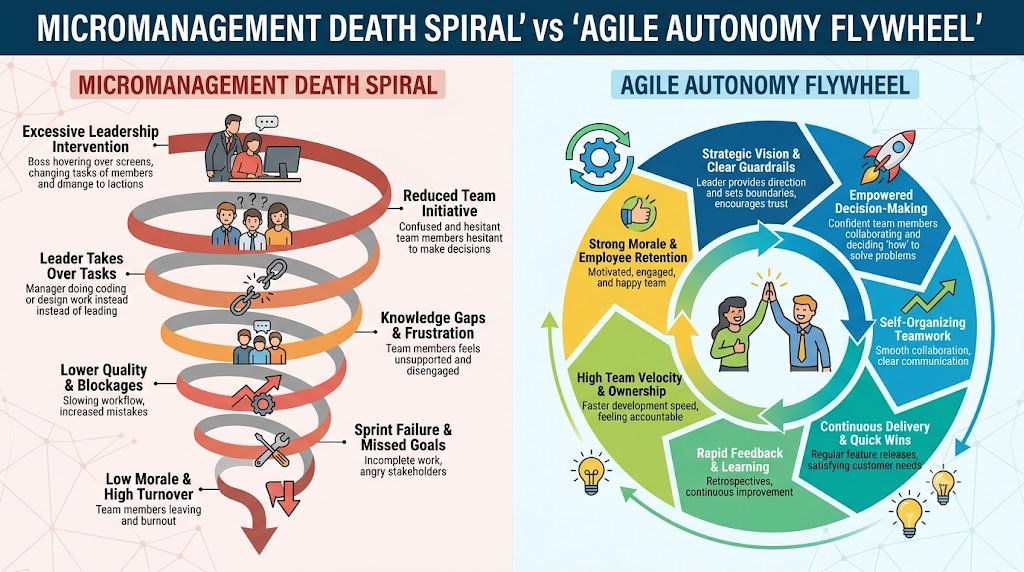
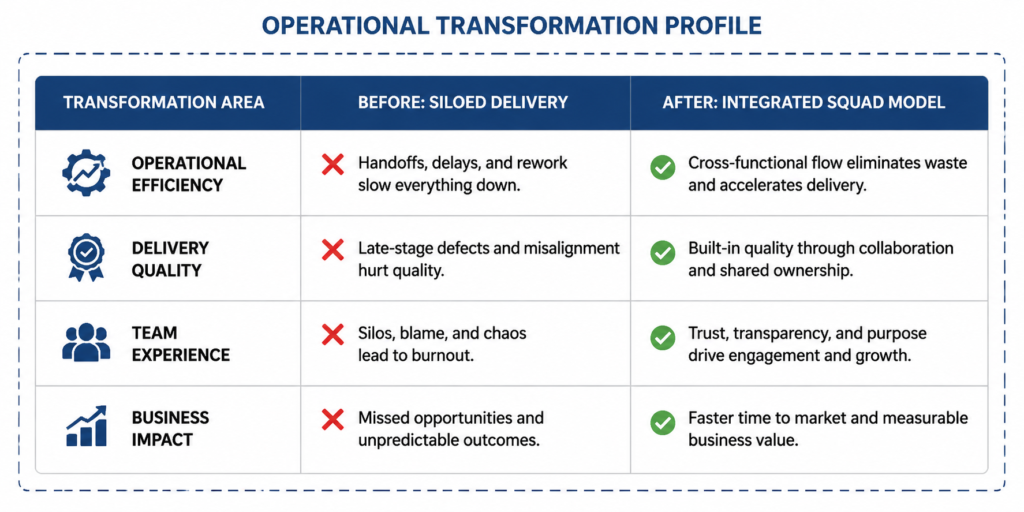
When leadership respects autonomy boundaries, the workplace environment changes rapidly.
The Team Experience Before vs. After Autonomy Realization
The Enterprise Impact
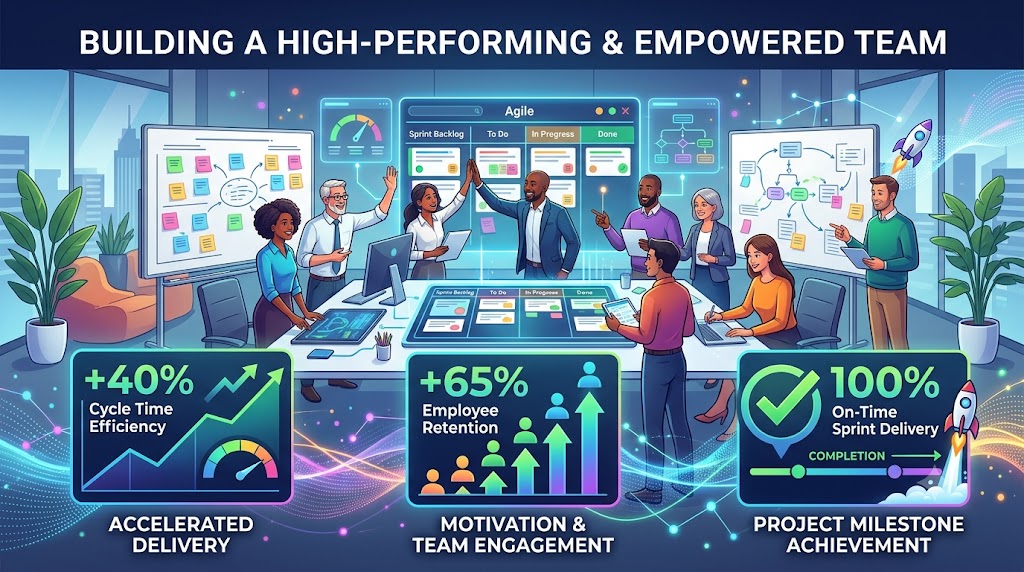
Unprecedented Velocity and Quality: When engineering teams own the technical implementation, they eliminate organizational drag. Code quality improves because developers build solutions they actively designed, rather than executing mandated tasks.
Radical Retention Improvements: High-performing knowledge workers do not leave bad companies; they leave micro-managing supervisors who choke their professional development. Clear autonomy parameters restore pride of craftsmanship.
Executive Bandwidth Offloading: When leaders stop spending hours daily tracking individual tickets, they free up mental bandwidth to focus on long-term strategy, portfolio allocation, and organizational enablement.
For project managers and team leads, mastering these boundaries transforms your career trajectory. You shift from a administrative status-checker to a strategic leader who builds high-performing operational engines.
Master the Art of Elite Project Leadership with Skillsetify
Establishing clear autonomy boundaries is a core practice of world-class project managers. True agility is not about maintaining passive board-checking routines or running endless daily meetings. It requires masterfully navigating organizational dynamics, building operational guardrails, and driving predictable business value.
If you are ready to stop guessing, move up the corporate ladder, and learn project management the right way, reach out to Skillsetify. We do not just teach frameworks: we show you your exact career growth trajectory.
Through expert mentorship, real-world scenario training, and advanced methodology blueprints, Skillsetify turns ambition into enterprise-grade leadership. Take control of your career today and transform the way you lead teams forever.