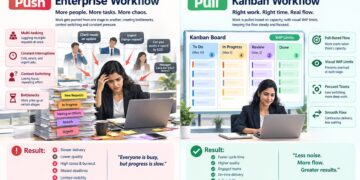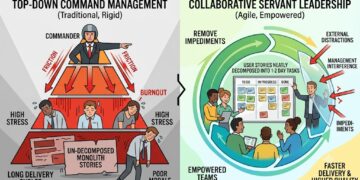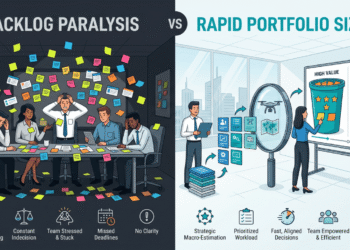
It is Friday afternoon at a scaling enterprise software company. The lead stakeholder sends an urgent email demanding a brand new feature for Monday’s release. The development team is confused because the requirement was never discussed during planning, nor is it documented in any central repository. Developers are panicking, the Scrum Master is scrambling, and the project manager is attempting to track down a lost spreadsheet attachment from three weeks ago.
This scenario represents a stressful, highly relatable workplace crisis caused by a fundamental failure in project management. Chaos ensues when teams fail to establish a centralized source of truth for their work.
Before we dive into the solution, we must dispel a common corporate myth right away. Many professionals believe that a product backlog is simply a static document or a generic wishlist where every idea is dumped and forgotten. This could not be further from the truth. In fact, if a backlog remains static, the team is no longer running an agile process. A static list of requirements automatically turns the endeavor into a traditional waterfall project. To achieve true agile success, organizations must recognize the product backlog as a living, breathing artifact that serves as the ultimate to-do list for the product.
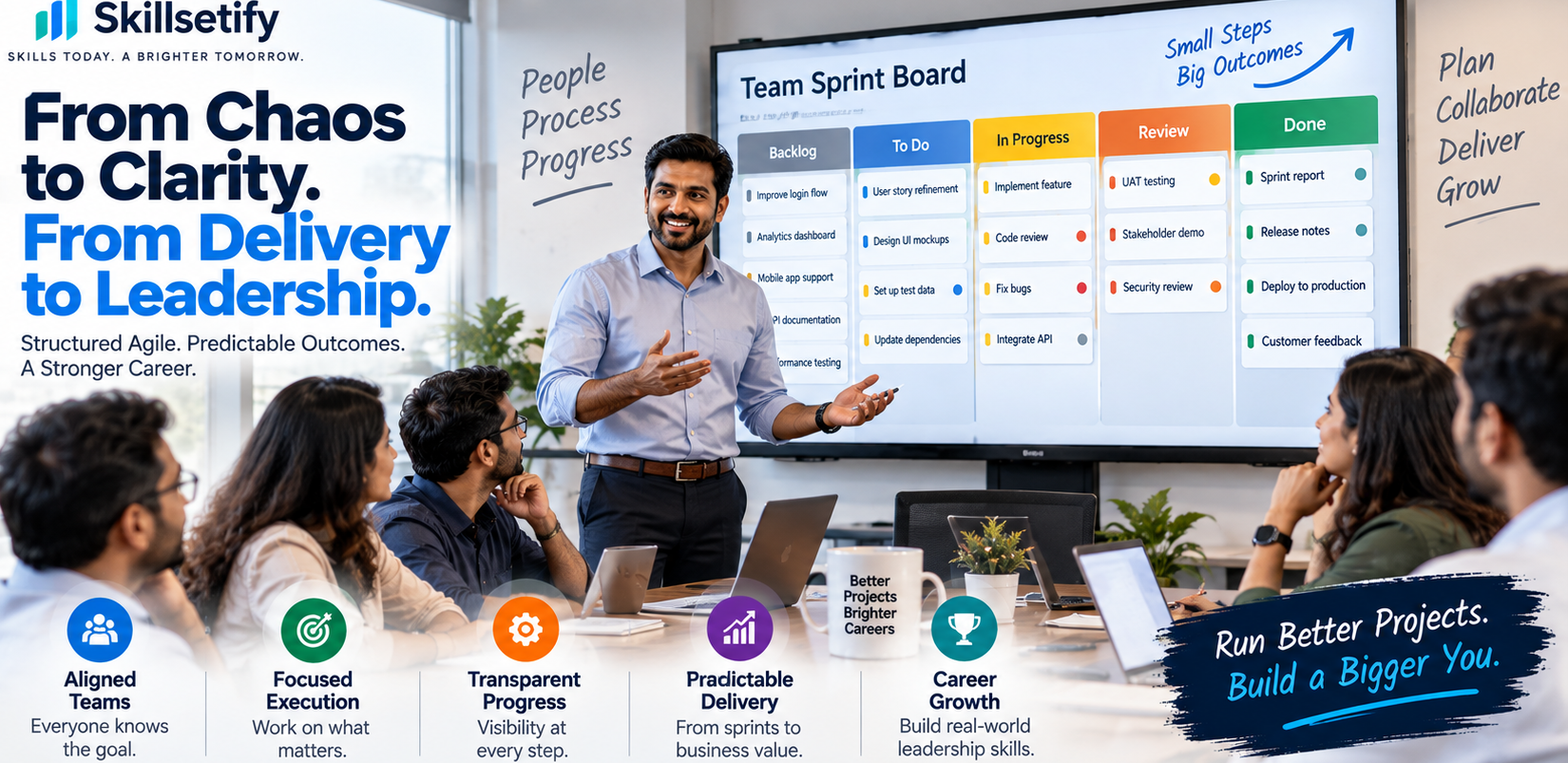
![[IMAGE DIRECTIVE: Detailed description of a professional 16:9 infographic displaying a chaotic office environment morphing into a streamlined, highly organized agile board, visually contrasting poor scope management with centralized agile backlog management for the reader].](https://skillsetify.com/blog/wp-content/uploads/2026/09/image1-1024x576.png)
The What and Why of Backlog Management
To master agile delivery, you must first understand the fundamental rules of the product backlog. The product backlog encompasses the entire scope of the project, meaning that if a requirement is not listed in the backlog, it is absolutely not in the scope of the project. It stands as the single, centralized source of truth for all project requirements.
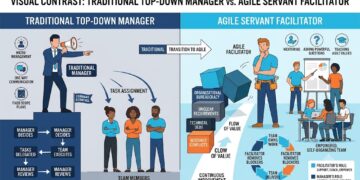
The sole owner of this critical artifact is the Product Owner. The Product Owner must act as the primary bridge between the stakeholders and the technical execution team, ensuring that every piece of work aligns with the broader business vision.
Because agile methodologies are designed to embrace change, the backlog must be dynamic. It is continuously shaped and reshaped by various external and internal factors. The Product Owner must evolve the backlog based on direct feedback from stakeholders, shifting market conditions, sudden technical shifts in the industry, and even new regulatory requirements. Embracing these changes is an anticipated and necessary part of delivering maximum value.
The DEEP Methodology for Elite Backlogs
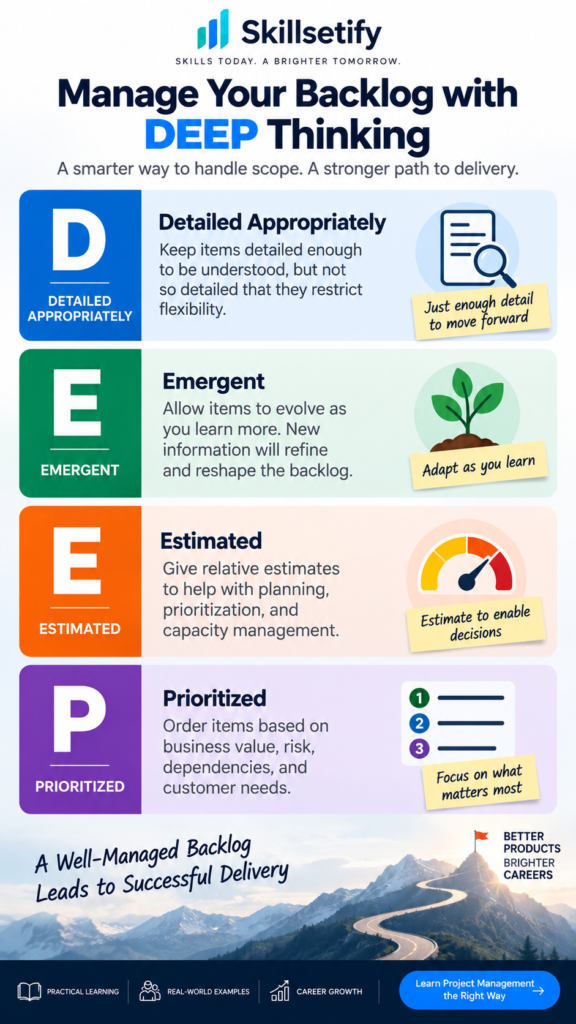
Maintaining this centralized source of truth requires a disciplined approach. Industry experts and elite Scrum teams rely on a specific framework to keep their requirements healthy and actionable. This standard is known by the acronym DEEP.
Detailed Appropriately: User stories within the backlog should not trap the team in an endless loop of excessive documentation. They should be just “good enough” and appropriately drafted. A Product Owner does not need to specify pixel-perfect UI details, such as the exact shade of blue for a button, unless that specific detail is mandated by the strict requirements of the project.
Emergent: The backlog is never finished. It is dynamic and continually evolving as the team gathers more feedback and learns more about the product.
Estimated: Items in the backlog must carry rough estimates, commonly measured in story points. These estimations are vital because they guide the team during sprint planning and help the Product Owner prioritize the workload effectively.
Prioritized: The Product Owner must organize the backlog based on the evolving needs of the business, ensuring that the team works on the highest-value items first. A successful agile project is defined by its ability to deliver maximum business value right from the beginning.
Step-by-Step Implementation Framework
If you are a Project Manager or Product Owner struggling with scope creep, you can implement this concrete framework immediately to regain control over your agile process.
Centralize All Requests: Direct all stakeholders to submit their requests to the Product Owner exclusively. Shut down side-channel communications through chat applications or informal emails. If a stakeholder wants a feature, it must be logged in the product backlog so the Product Owner can evaluate it.
Decompose the Work: Work with the development team to break down large initiatives into actionable user stories. From there, the development team is responsible for decomposing those stories into specific, granular tasks.
Establish Clear Criteria: Before any user story is moved from the product backlog to the sprint backlog, it must meet the Definition of Ready. A user story must have clearly defined acceptance criteria so the developers know exactly what the customer will be testing.
Rank by Value: Use your stakeholder feedback and market data to stack-rank the backlog. Force your stakeholders to make difficult decisions. If everything is a high priority, nothing is a high priority.
Refine Continuously: Schedule regular backlog refinement sessions. Use this time to apply the DEEP principles, ensuring that the top of the backlog is detailed, estimated, and ready for the next sprint planning meeting.
Guarding the Gates: Handling Scope Changes
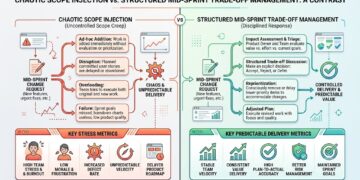
One of the most difficult challenges a Product Owner or Scrum Master faces is managing aggressive mid-sprint changes. The true test of a well-managed backlog occurs when a stakeholder attempts to force a new requirement into an active sprint.
If a team does not have strong boundaries, they will blindly accept the change, derailing their current commitments. Furthermore, if a story lacks a Definition of Ready or clear acceptance criteria, the development team must push back and refuse to pick it up until they collaborate with the Product Owner to get the story properly prepared.
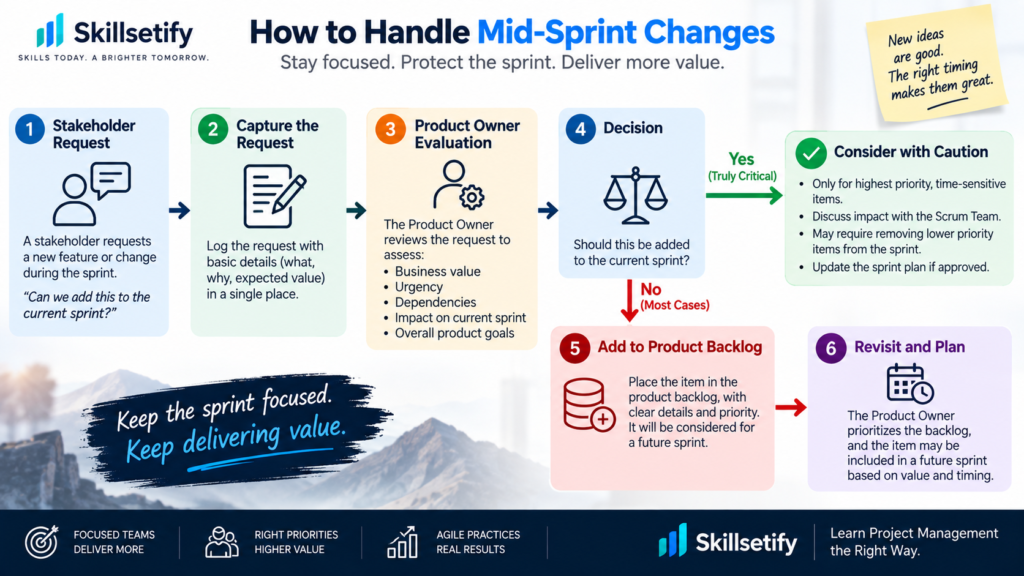
When an urgent change is requested after sprint planning is finished, textbook agile process dictates that the new user story should be placed in the product backlog to be prioritized for the following sprint. The team has already committed to a specific set of stories, and introducing new work jeopardizes that commitment.
However, elite project management requires a balance between strict process and corporate reality. If a highly critical change comes in immediately after sprint planning and the developers are not yet deep into writing code, the team might need to be flexible. In this rare scenario, the proper approach is to reconvene the sprint planning meeting, remove some of the previously committed user stories, place them back into the product backlog, and pull in the new, urgent story based on capacity.
While this flexibility is sometimes necessary, it should not become a habit. Frequent disruptions of this nature typically indicate a failure in prioritization on the part of the Product Owner, and the team must work to ensure better foresight in future cycles.
The Professional Transformation
Implementing strict backlog ownership and adhering to the DEEP methodology will radically transform your daily work life. Imagine shifting from a state of constant project chaos, endless scope creep, and severe team burnout to a state of predictable, elite delivery.
When the Product Owner fiercely protects the backlog, the development team is finally free to focus on execution rather than navigating political battles over shifting requirements. The business begins to trust the delivery process because high-value features are consistently shipped on time. You will no longer waste hours digging through email threads to figure out what was promised to a client. Instead, your centralized source of truth will provide total clarity.
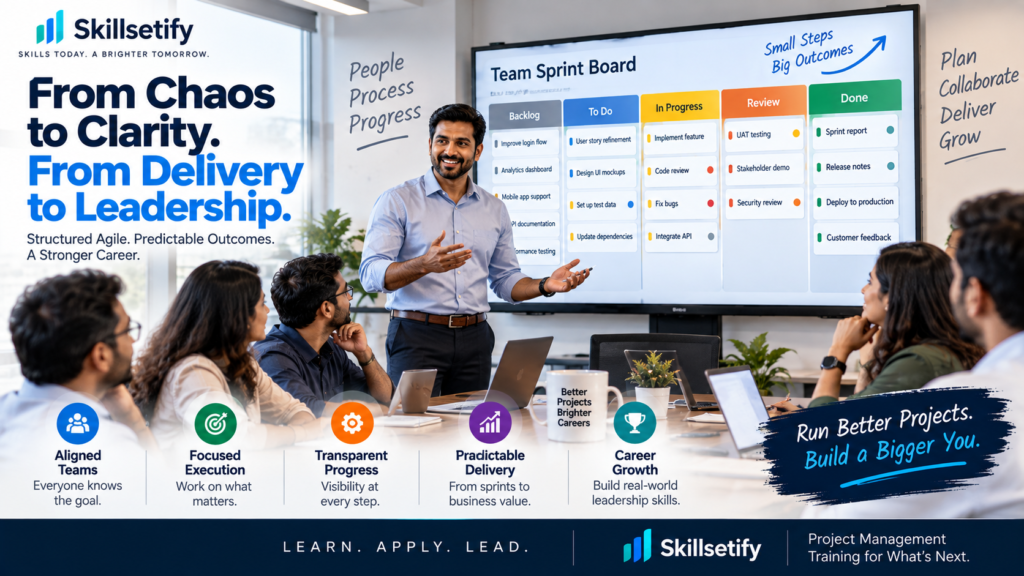
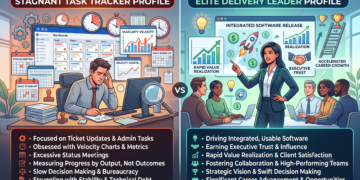
This transformation is intrinsically tied to learning project management the right way. Ambitious professionals who master agile frameworks and artifact ownership do not just survive the corporate grind: they accelerate their careers. Executives notice the individuals who can bring order to chaos, align technical execution with business strategy, and consistently deliver value in high-pressure environments. When you own the scope, you own the success of the product.
Take Control of Your Agile Journey
A properly managed product backlog is the heartbeat of a successful agile project. By maintaining a dynamic, prioritized, and carefully detailed list of requirements, you protect your team from burnout and guarantee that the business receives maximum value from every sprint. Moving away from scattered wishlists to a strict, single source of truth is the defining line between amateur coordination and elite project management.
If you are ready to stop guessing, move up the corporate ladder, and learn project management the right way, reach out to Skillsetify. We do not just teach frameworks: we show you your exact career growth trajectory.